Muriatic Acid Price: Current Trends & Industry Analysis
Muriatic Acid Price: Current Trends & Industry Analysis
Blog Article
The muriatic acid value sector is presently experiencing considerable change driven by a multifaceted blend of elements. Global logistics issues, growing raw material expenses, particularly concerning natural gas – a essential feedstock – are primarily contributing to the price hikes. Consumption persists relatively strong across various sectors, such as steel production, chemical industry, and water treatment. Area disparities in values persist due to logistics expenses and regional market dynamics. Researchers anticipate continued price fluctuations in the short term while long-term stability copyrights on resolving logistics constraints and world economic conditions.
Muriatic Acid Price Per Ton : A Detailed Guide
Understanding the prevailing price of muriatic acid per metric ton is vital for companies that utilize it. Numerous elements impact the value, such as feedstock charges, production overheads, transportation costs, and current market state. Usually , the rate can range significantly, from approximately $low_price_range to $high_price_range per ton , relying on concentration, location , and provider. The guide aims to discuss such influences in more depth , offering information into forecasting future HCl pricing movements .
Hydrochloric Acid Bulk Price: Factors Influencing Costs
The current cost of bulk hydrochloric HCl is significantly influenced by a variety of factors . Input supply , particularly brine, plays a crucial function, as it’s the principal Hydrochloric Acid Bulk Price material for its creation. Power expenses , necessary for the electrolysis procedure , substantially influence muriatic acid pricing . Shipping costs, which copyright on fuel rates and distribution system limitations, also factor to the total expense . Finally, market need from various sectors like metals manufacturing and edible processing can establish price variations .
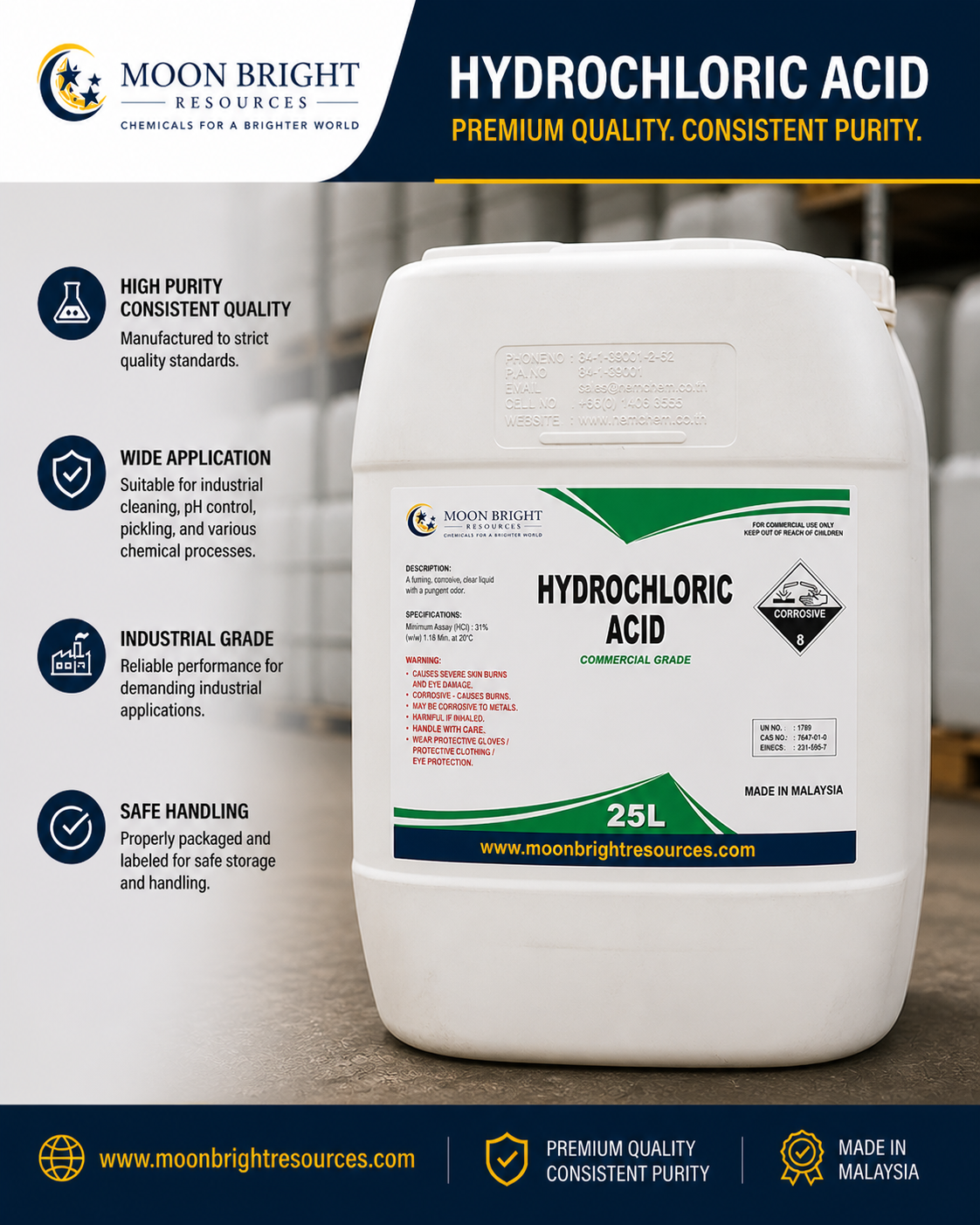
Here's a summary of influencing factors:
- Raw Material Value
- Utility Rates
- Shipping Costs
- Market Request
Understanding Hydrochloric Acid Bulk Pricing Strategies
Navigating the intricate landscape of hydrochloric HCl bulk pricing requires a keen understanding of several elements. The cost of large-volume hydrochloric purchases isn't simply a single number; it changes based on stock, demand, delivery charges, and grade specifications. Typically, suppliers offer graduated pricing structures, whereby significant amounts unlock reduced per-unit prices. Additionally, agreed agreements frequently secure improved rates compared to spot orders. Consider in addition the influence of currency rates and any applicable fees when evaluating quotes from multiple vendors.
Here’s a short look at key considerations:
- Volume Price Breaks: Large purchase sizes typically qualify for considerable price reductions.
- Contract Deals: Long-term contracts generally provide greater cost stability.
- Shipping Charges: Freight rates may substantially affect the overall price.
- Quality Requirements: Higher quality hydrochloric muriatic acid commands a higher cost.
Finding For Buy HCl Substance Bulk : Reliable Vendors & Expenses
Securing muriatic acid in large amounts requires careful consideration of suppliers . Several chemical providers offer the product , but choosing a reliable supplier is crucial . Typical choices include wholesale chemical suppliers , niche chemical firms , and sometimes producer sales . Expenses vary significantly based on volume ordered , grade , delivery location , and prevailing rates . Anticipate costs to range from approximately $ $0.70 to $ $3.00 a liter for standard quality , with larger quantities qualifying for quantity reductions . Always obtain bids from multiple suppliers to evaluate rates and confirm favorable terms .
HCl Price Fluctuations: What Impacting the Industry ?
Recent changes in muriatic acid costs have caused significant concern across various applications. Several factors are now fueling these swings. Input costs, particularly connected with Cl2 and hydrogen , have seen substantial gains, immediately influencing HCl manufacturing expenditures. Furthermore, supply chain bottlenecks, arising from international situations and regional restrictions, are compounding the situation . Finally, changes in need from key consuming areas like water treatment and chemical manufacturing play a critical part in affecting the overall sector landscape .
- Basic costs
- Logistical bottlenecks
- Need from utilizing areas